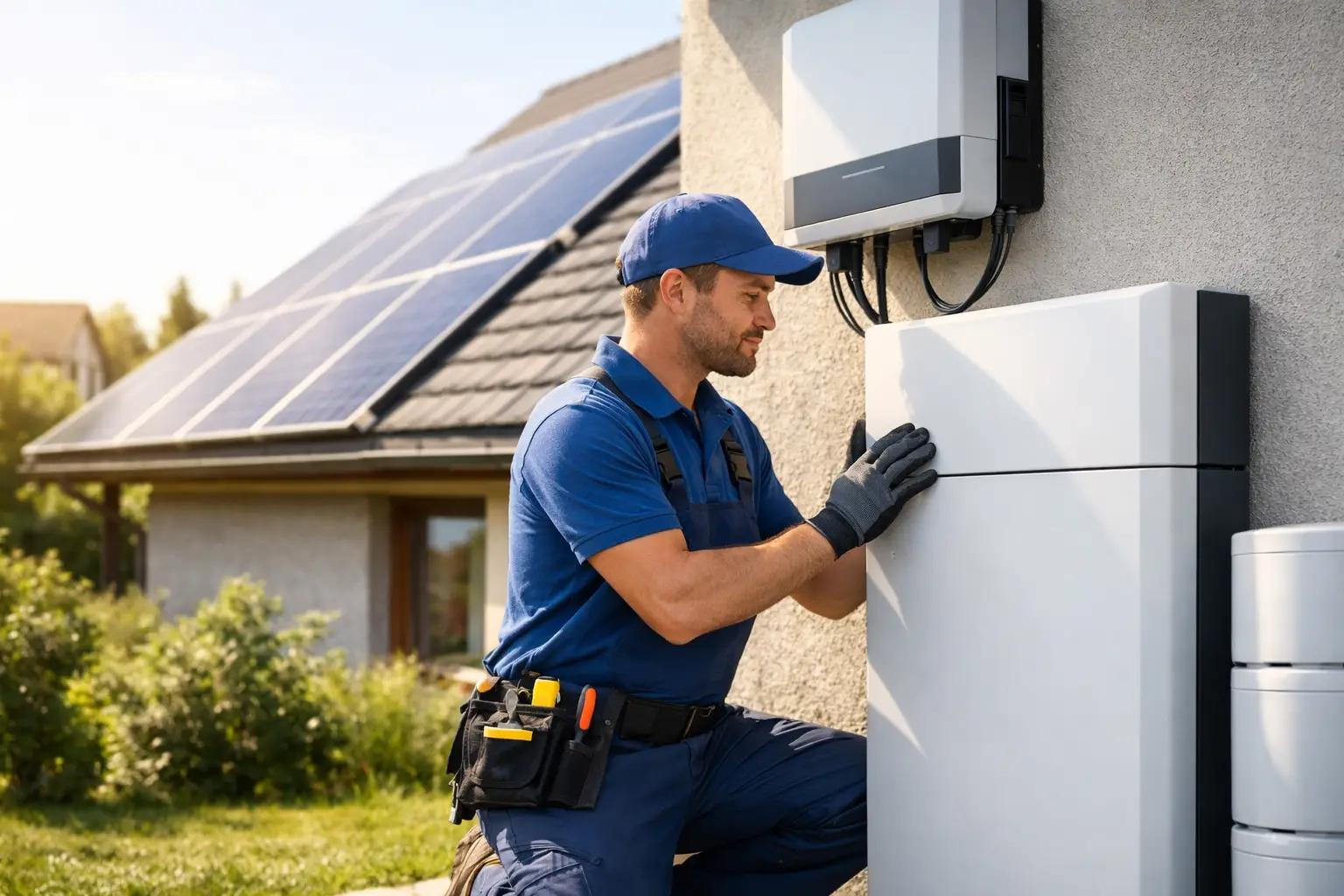
Reliable electricity is something most people rarely think about until an unexpected interruption occurs. A storm, damaged power line or equipment failure can quickly affect everyday activities, particularly in rural communities where properties may be located considerable distances from essential services. For households, farms and small businesses, maintaining a dependable electricity supply is therefore an important part of property planning.
At the same time, rising energy expenses have encouraged property owners to reconsider how they generate, store and consume electricity. Solar technology has created new opportunities to produce power locally, while battery storage offers another way to manage electricity when sunlight is unavailable.
These developments are changing the conversation around energy independence. Rather than relying entirely on conventional electricity supplies, property owners can explore systems that combine solar generation, energy storage and carefully planned electrical infrastructure.
What Does Energy Independence Actually Mean?
Energy independence does not necessarily mean disconnecting a property from the electricity grid. For many households and businesses, it simply means having greater control over where electricity comes from and how it is used.
A conventional property receives most of its electricity through the local grid. Its occupants pay for the energy consumed according to their electricity tariff, regardless of whether they use appliances during the day or evening.
A solar-equipped property works differently. Photovoltaic panels convert sunlight into electrical energy, allowing the building to generate part of its own electricity requirements.
However, solar production changes throughout the day. During periods of strong sunlight, generation may exceed immediate demand. After sunset, the panels stop producing electricity, even though household consumption often continues.
Battery storage addresses part of this challenge by retaining surplus solar electricity for later use. Depending on the system configuration, stored energy can support selected household appliances, business equipment and other electrical requirements.
The result is greater flexibility, although the level of independence achieved depends on the property’s energy demand, solar capacity, battery size and backup arrangements.
Why Solar Batteries Are Becoming an Important Consideration
solar panel monitor are valuable because they allow property owners to generate electricity from a renewable source. Nevertheless, generation and consumption do not always happen at the same time.
Consider a household where most occupants work outside during the day. The solar system might produce substantial electricity while the property is relatively quiet. When everyone returns home in the evening, lighting, cooking appliances, entertainment equipment and other devices begin operating.
Without storage, some daytime electricity may be exported to the grid while the household purchases electricity later.
A battery provides an alternative by storing a portion of the surplus energy.
There are several reasons property owners consider this arrangement:
Better use of generated electricity: Stored solar energy can be used after production hours rather than relying entirely on immediate consumption.
Greater control over energy expenses: Depending on electricity tariffs and system performance, using stored energy may reduce the amount of electricity purchased from the grid.
Additional backup options: Compatible battery systems can supply designated circuits during certain grid interruptions when correctly configured.
More flexible energy management: Property owners can consider their consumption patterns when selecting battery capacity and operating settings.
It is important to remember that battery storage is not automatically economical for every property. Installation costs, electricity tariffs, battery efficiency and household consumption all influence the potential benefits.
Planning for Power Interruptions in Regional Areas
Electricity interruptions can affect properties in both urban and regional locations, but their practical consequences may be different.
A household in a town might experience inconvenience when lighting, refrigeration or internet equipment stops working. A rural property could face additional challenges if an interruption affects water pumps, agricultural equipment, workshops or other essential infrastructure.
This makes backup planning particularly relevant for farms and remote properties.
Solar batteries can provide backup electricity when the installation includes the necessary backup functionality. However, not every solar battery automatically supplies power during a blackout.
Some systems are designed primarily for energy storage and grid-connected operation. Others include backup arrangements that allow selected circuits to operate when the grid becomes unavailable.
The difference is important.
A property owner who wants backup power should discuss the intended requirements before purchasing equipment. The electrician needs to understand which appliances must remain operational, their electricity consumption and whether they require substantial starting power.
For example, keeping a few lights and communication devices running requires a different arrangement from supporting refrigeration, water pumps or workshop machinery.
A properly planned system should reflect the property’s actual priorities rather than relying on general assumptions about battery capacity.
Understanding the Electrical Requirements of Rural Properties
Rural properties often have more varied electrical requirements than standard residential buildings.
A single property might contain a family home, machinery shed, workshop, water pumping equipment, outdoor lighting and storage facilities. Each area can have different power requirements and operating schedules.
Before installing solar or battery equipment, it is worth reviewing the existing electrical infrastructure.
Switchboard Capacity and Safety
The switchboard plays an important role in distributing electricity throughout a property. It also contains protective equipment designed to help manage electrical faults and improve safety.
When adding solar panels or battery storage, the existing switchboard may need an assessment to determine whether it can accommodate the proposed installation.
Depending on its age and condition, upgrades or additional safety improvements may be necessary.
This is particularly relevant when dealing with older buildings that have undergone several renovations or electrical changes.
Pumps, Workshops and Agricultural Equipment
Water pumps and machinery can place considerable demands on an electrical system. Some equipment also requires a higher starting current than its normal operating consumption.
These characteristics need to be considered when determining whether a proposed solar and battery arrangement can support the equipment.
A system that works well for ordinary household consumption may not be suitable for operating larger machinery without additional planning.
Generators and Alternative Backup Arrangements
Generators can remain useful for properties with demanding electrical requirements or locations where interruptions create significant operational difficulties.
Rather than viewing generators and solar batteries as competing technologies, property owners can consider how different options might complement one another.
The appropriate arrangement depends on the property, equipment, budget and expected backup requirements.
Choosing the Right Solar and Battery Capacity
One of the most important decisions in an energy installation is selecting equipment that matches actual demand.
A larger system is not automatically better. Installing more solar panels or purchasing a larger battery than necessary can increase the initial investment without providing equivalent practical value.
The assessment should begin with electricity consumption.
Property owners can review previous electricity bills to understand their average usage. Where available, interval consumption data can provide additional information about when electricity is being used.
The next consideration is the purpose of the battery.
Someone who wants to reduce evening grid consumption may require a different capacity from a business owner who wants selected equipment supported during interruptions.
Other factors include:
- Available roof space and panel orientation.
- Seasonal changes in solar generation.
- Daily and overnight electricity requirements.
- Battery charging and discharging efficiency.
- Existing inverter compatibility.
- Future appliances or property expansion.
- Installation costs and available incentives.
Professional assessment helps bring these considerations together. It also reduces the likelihood of purchasing equipment based on advertised system sizes rather than genuine requirements.
The Importance of Working With Experienced Local Electricians
Solar and battery installations involve more than selecting panels and connecting equipment. The entire arrangement must work safely with the property’s existing electrical infrastructure.
For regional Queensland residents, finding an experienced electrician atherton can be an important part of planning an energy upgrade.
Smart Elec provides electrical and solar services across the Atherton Tablelands, supporting residential, rural and commercial properties. Its work includes new solar installations, battery storage, existing system upgrades, switchboard improvements and related electrical services.
The company has served the local region since 2012 and understands the different requirements associated with homes, farms and commercial buildings.
Local experience can be particularly useful when assessing properties with sheds, workshops, remote equipment and more complicated electrical arrangements.
Rather than recommending the same equipment for every customer, an appropriate assessment should consider the property’s layout, existing electricity consumption and intended outcomes.
How Technology Helps Property Owners Manage Stored Energy
Modern energy systems increasingly incorporate digital monitoring and control features.
Depending on the equipment, users may be able to view solar generation, battery charge levels, electricity consumption and grid imports through an application or online dashboard.
This information makes it easier to understand how the system operates.
For example, a property owner might notice that the battery regularly reaches a low charge level before the morning. This could indicate that overnight consumption is higher than expected or that the available storage capacity needs reviewing.
Another property might regularly export surplus solar electricity despite having substantial evening demand. That information could encourage the owner to investigate different operating settings or whether additional storage would be appropriate.
Monitoring is not a replacement for professional maintenance, but it can make energy management more transparent.
It also helps property owners evaluate whether their installation is operating as expected.
Preparing for Future Energy Requirements
Energy requirements are not necessarily fixed for the lifetime of a solar installation.
A family may purchase an electric vehicle, build an extension or introduce additional appliances. A rural business might expand its operations or install new machinery.
These developments can change the amount of electricity required and the times when it is consumed.
Thinking about future requirements during the initial planning stage can help avoid unnecessary complications.
For instance, someone considering an electric vehicle might want to discuss future charging arrangements alongside their solar installation. A business planning to expand could consider whether the existing switchboard and electrical infrastructure have sufficient capacity.
Smart Elec also provides related electrical services, including EV charger installations, switchboard upgrades and generator support. Considering these requirements together can make long-term electrical planning more straightforward.
Making an Informed Investment in Solar Technology
Although solar and battery technology offers attractive possibilities, property owners should avoid making decisions based solely on advertised savings or general product recommendations.
The first step is understanding the property’s existing electricity usage.
The second is identifying what the installation should achieve. Some owners prioritise lower electricity bills, while others are more interested in backup support or reducing dependence on grid electricity.
Once these priorities are established, a qualified professional can assess the site and recommend suitable equipment.
Smart Elec offers solar and battery solutions for properties throughout Atherton, Mareeba, Yungaburra, Malanda, Millaa Millaa and Ravenshoe. Its approach focuses on assessing individual requirements and providing appropriately sized systems rather than promoting unnecessary capacity.
Anyone considering solar upgrades or battery storage can explore the available options through a professional assessment.
Conclusion
Energy independence is becoming an increasingly important consideration for households, farms and businesses. Solar panels provide an opportunity to generate electricity locally, while battery storage can help make that energy available when production is low or unavailable.
However, the success of an installation depends on more than the equipment itself. Battery capacity, electrical safety, switchboard compatibility, backup requirements and everyday consumption patterns all influence how effectively a system performs.
For regional property owners, a carefully planned solution can provide greater control over electricity use while preparing the property for changing energy requirements.
The most sensible approach is to understand existing demand, identify realistic goals and work with experienced electrical professionals who can recommend equipment suited to the site.
With proper planning and ongoing support, solar and battery technology can become a valuable part of a property’s long-term energy arrangements.