Introduction
Choosing firewood is about more than selecting a particular tree species or ordering a convenient delivery size. One of the most important factors affecting how wood performs is its moisture content. Even a naturally dense hardwood can be difficult to burn efficiently if it contains too much water.
For homeowners who use fireplaces, wood heaters and outdoor fire pits, understanding the relationship between moisture and burning performance can make a noticeable difference. It helps with purchasing decisions, storage arrangements and the overall experience of maintaining a fire.
Whether someone is preparing for the colder months or arranging supplies for regular outdoor use, knowing what makes properly seasoned timber is an important part of responsible firewood use.
What Does Seasoned Firewood Actually Mean?
Freshly cut timber naturally contains moisture within its fibres and structure. This water needs time to evaporate before the wood becomes suitable for most domestic burning applications.
The process of allowing timber to dry is known as seasoning.
During seasoning, moisture gradually escapes from the wood. The time required depends on several factors, including the timber species, log dimensions, weather conditions, airflow and storage arrangements.
A piece of wood that has been split into manageable sections generally dries more effectively than an unsplit log because more surface area is exposed to the surrounding air.
Properly seasoned firewood is easier to ignite and generally burns more effectively than freshly cut green timber. It can also help reduce excessive smoke associated with burning wet wood.
The moisture content of firewood is therefore an important consideration when comparing suppliers and products.
How Moisture Affects the Burning Process
When wet timber is placed in a fire, some of the available energy is used to heat and evaporate the water inside it.
This can make the fire harder to establish and maintain.
Instead of supporting a consistent flame, damp logs may struggle to ignite, produce visible smoke and require more attention from the person managing the fire.
By comparison, appropriately seasoned hardwood contains less moisture and can release its stored energy more effectively during combustion.
There are several practical differences worth understanding.
Starting a Fire
- Dry timber generally catches fire more easily when used with suitable kindling and an appropriate ignition method.
- Wet wood can take longer to establish a flame because moisture must first be heated and evaporated.
- This is particularly inconvenient when lighting a fireplace after a long day or preparing an outdoor fire during a camping trip.
Maintaining Consistent Heat
Excessive moisture can interfere with the burning process and make heat output less consistent.
A properly prepared supply makes it easier to maintain a suitable fire, although the final result also depends on the appliance, airflow and amount of fuel used.
Smoke Production
- Wet wood commonly produces more smoke because combustion conditions are less favourable.
- Using dry, untreated firewood and operating an appliance correctly can help support cleaner combustion.
- Regular inspection and maintenance of chimneys and flues are also important for households using indoor wood-burning appliances.
Understanding Firewood Moisture Measurements
- Moisture content is usually expressed as a percentage.
- This figure indicates how much water is present in the timber relative to its dry mass, depending on the measurement convention used.
- For everyday firewood buyers, the most useful point is to understand that lower moisture content generally indicates drier timber.
JJ's Firewood explains in its frequently asked questions that its processed splits commonly fall within approximately 12–20% moisture content. The supplier also identifies timber below 25% moisture content as seasoned according to the guidance presented on its website.
These figures provide customers with a useful reference when considering the condition of a firewood supply.
However, moisture can vary between individual pieces. Log size, storage conditions and the amount of time spent seasoning all influence the result.
If a customer wants to assess timber independently, a suitable firewood moisture meter can provide a more practical indication than judging appearance alone.
Why Different Hardwood Species Dry Differently
Timber varieties have different physical characteristics. Density, internal structure and natural moisture levels can influence how quickly a particular type of wood dries.
This is one reason seasoning requirements can vary between hardwood products.
Jarrah is a dense Western Australian hardwood valued for its durability and substantial burning characteristics. Its density makes it an attractive option for people looking for sustained heat and long-lasting coals.
However, density should not be confused with moisture content. Even a premium hardwood needs appropriate preparation before it is ready for use.
Customers comparing jarrah firewood should consider both the timber variety and the fact that the product has been processed and seasoned.
Other hardwood blends can also provide practical alternatives.
For example, Jarrah Bush Mix combines Jarrah with selected Western Australian hardwoods. Depending on seasonal availability, the blend may include Sheoak, Karri, Marri, Blackbutt and Banksia.
Budget Burner is primarily made from Stringybark and may include other seasoned hardwoods depending on supply.
The best option depends on the intended application, available budget and preferred burning characteristics.
Recognising Signs of Poorly Seasoned Firewood
Although visual inspection cannot replace a moisture meter, several characteristics can help buyers identify timber that may need further drying.
Excessive weight: Wet logs can feel heavier than comparable dry pieces because they contain additional water.
Damp surfaces: Timber that feels noticeably wet or has been stored in exposed, rainy conditions may not be ready for immediate use.
Difficulty lighting: If suitably prepared kindling struggles to establish a fire around the logs, the fuel may contain excessive moisture or the appliance may have an airflow problem.
Unusual smoke levels: Heavy smoke can indicate wet fuel, insufficient airflow or another problem with the burning conditions.
Visible mould: Poorly stored timber may develop mould or deterioration, particularly when ventilation is limited.
No single sign provides a definitive moisture reading. Buyers should consider several indicators together and ask their supplier about seasoning practices.
How to Store Firewood and Protect Its Moisture Level
Purchasing seasoned timber is only part of maintaining a reliable supply. Proper storage helps prevent it from becoming damp again.
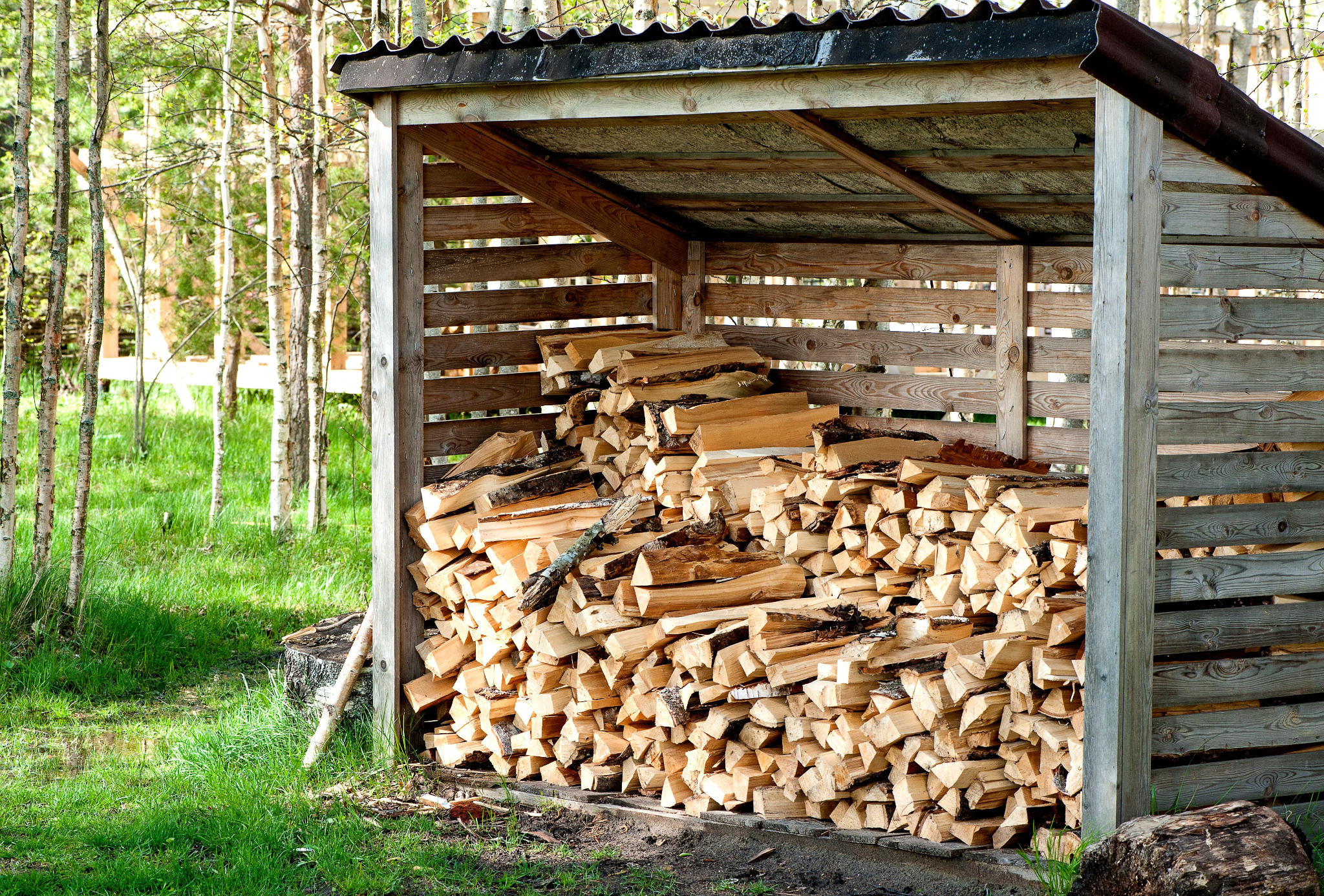
A suitable storage area should offer protection from rainfall while allowing air to circulate around the stack.
Keep Timber Off the Ground
- Direct contact with soil can expose firewood to moisture and encourage deterioration.
- Use a raised rack, pallet or purpose-built firewood holder to create a gap between the timber and the ground.
- This also improves airflow beneath the stack.
Provide Protection From Rain
- A roof or suitable cover can protect the upper surface of stored firewood.
- However, wrapping the entire stack in an airtight covering may trap moisture and restrict ventilation.
- A better arrangement keeps the top protected while leaving the sides open wherever practical.
Avoid Stacking Against Damp Walls
Leaving a small gap between the stack and surrounding walls allows air to move around the timber.
This is particularly useful in sheds, garages and outdoor storage areas where ventilation may otherwise be limited.
Organise Different Deliveries
If several loads are purchased throughout the year, organise them so older supplies can be used first.
This makes it easier to manage stock and reduces the likelihood of leaving timber unused for extended periods.
Why Untreated Timber Is Important
Moisture is not the only factor that determines whether a piece of wood is appropriate for burning.
The material itself also matters.
Green timber, painted wood, treated timber and plywood should not be used as ordinary firewood. Heating these materials can release hazardous fumes and unwanted contaminants.
Household waste, coated furniture offcuts and construction materials are not suitable substitutes for properly prepared firewood.
Customers should purchase clean, untreated hardwood intended for the appliance or fire pit they plan to use.
For indoor heating, following the manufacturer's instructions is particularly important. Chimneys and flues should also receive appropriate inspection and cleaning.
Buying Seasoned Firewood in Perth
- Finding a reliable supply is an important consideration for households that use wood heating regularly.
- Customers searching for firewood perth can compare different hardwood options and delivery quantities through JJ's Firewood.
- The supplier offers Jarrah Only, Jarrah Bush Mix, Jarrah Mill Ends and Budget Burner products.
Its website states that firewood is processed, seasoned and supplied untreated, with the common moisture range for its splits being approximately 12–20%.
Customers can select from smaller trailer loads, larger truck quantities and bagged firewood options.
The company measures loose firewood using front-end loader scoops rather than relying solely on weight. This is useful because the weight of timber can change according to its moisture content.
- Available load sizes include:
- Half-cage quantities of approximately half a tonne, delivered using two scoops.
- Full-cage quantities of approximately one tonne, delivered using four scoops.
- Two-tonne truck loads using eight scoops.
- Two-and-a-half-tonne loads using ten scoops.
- Three-tonne loads using twelve scoops.
- Full truck loads of approximately four tonnes using sixteen scoops.
- All weights are estimates rather than guaranteed measurements.
JJ's Firewood offers delivery seven days a week across Perth and surrounding service areas. Customers can enter their address during checkout to check the delivery options available for their location.
Making a Better Purchase Decision
Before ordering, buyers should consider more than the advertised price.
Ask about the timber species, seasoning process, moisture content, log dimensions and available load sizes.
A cheaper load may be suitable for general outdoor use, while a premium hardwood may better match the requirements of a household that regularly uses a wood heater.
Storage capacity is another important consideration. Ordering a quantity that cannot be protected from rain may undermine the benefits of purchasing seasoned timber in the first place.
It is also useful to consider how frequently the fireplace or heater will be used. Occasional users may prefer smaller quantities, while households relying on wood heating throughout winter may benefit from arranging a larger supply.
Conclusion
Firewood moisture plays an important role in how easily timber ignites, how consistently it burns and how much smoke it produces.
Choosing properly seasoned hardwood, avoiding treated materials and maintaining suitable storage conditions can help households get better results from their firewood supply.
Jarrah and mixed hardwood products offer different characteristics, but whichever variety is selected, proper preparation remains essential.
By understanding moisture content and asking the right questions before purchasing, Perth homeowners can make more informed decisions and maintain a dependable supply of firewood throughout the year.