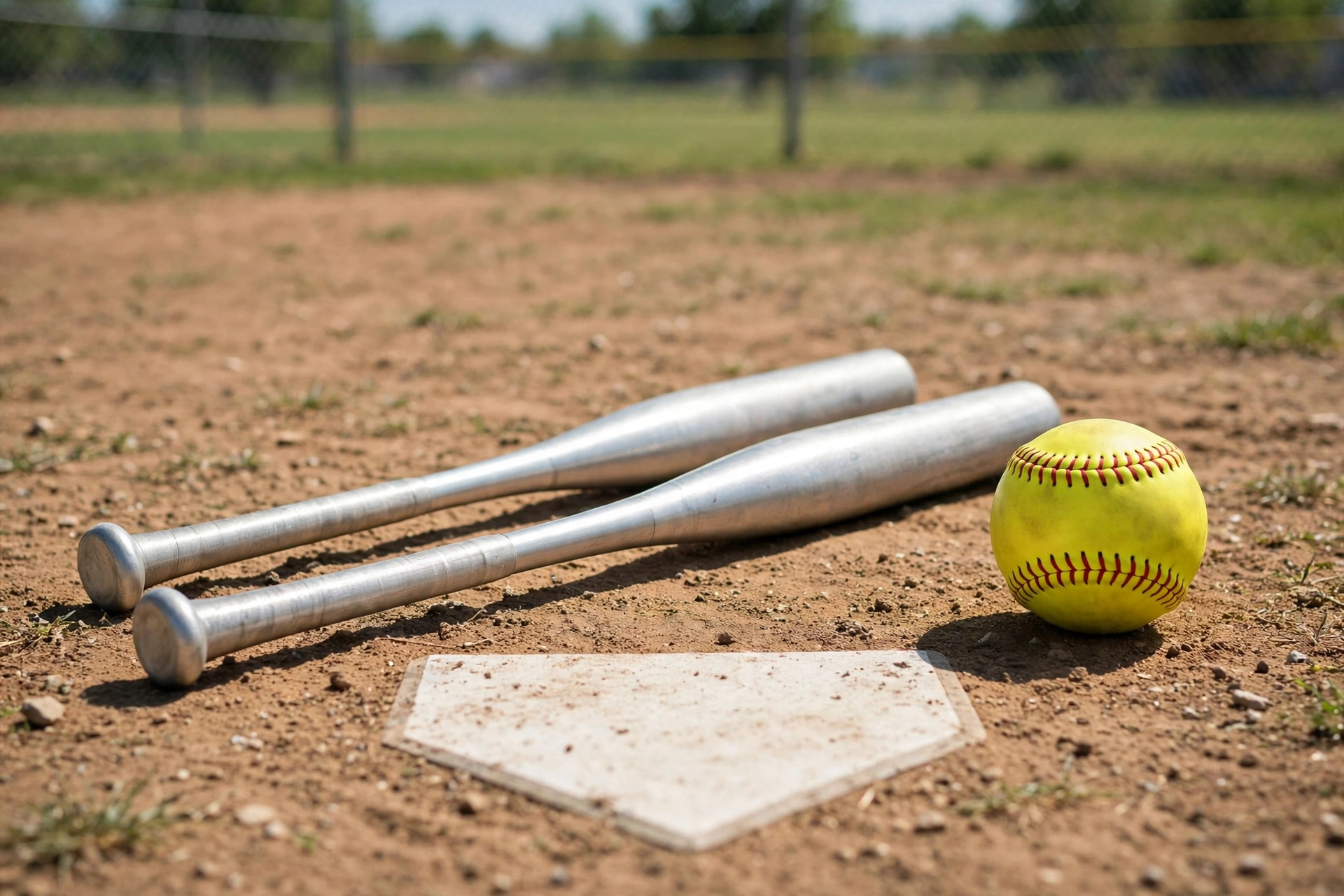
Choosing the right equipment is an important part of developing confidence and consistency on the softball field. A bat that matches a player’s strength, experience, and hitting style can make every swing feel more comfortable and controlled. When exploring Fastpitch Softball Bats players should consider several factors, including construction materials, bat length, weight, balance, and performance features. Understanding these details makes it easier to compare available options and select a bat that supports individual needs.
Understanding Different Bat Materials
The material used in a softball bat influences its feel, durability, and overall performance. Aluminum bats are popular because they are generally lightweight, durable, and easy to handle. Their responsive design can help players develop consistent swings while providing a familiar feel at contact. They are also available in many price ranges, making them an accessible option for beginners and experienced athletes.
Composite bats are another common choice. They are made using layered materials, often designed to create a balanced feel and reduce vibration during contact. Some composite models require a break-in period before reaching their intended performance characteristics. Players should always follow the manufacturer’s instructions to prepare the bat correctly and maintain its condition.
Hybrid bats combine different materials, often featuring an aluminum barrel with a composite handle or other mixed construction. This design aims to bring together the durability and responsiveness of aluminum with selected comfort benefits associated with composite materials. Comparing these options can help players identify the construction that feels most suitable.
Choosing the Correct Bat Length
Bat length affects a player’s ability to reach pitches across the strike zone and maintain control throughout a swing. A bat that is too long may feel difficult to maneuver, while one that is too short may limit reach and comfort. Selecting an appropriate length is therefore essential for developing a consistent hitting technique.
A player’s height, age, strength, and experience can help guide this decision. However, measurements should be treated as starting points rather than strict rules. Players should hold different bats in a comfortable batting stance and practice controlled swings before making a final choice.
The goal is to find a length that allows the player to maintain balance, reach the ball effectively, and move the bat without unnecessary effort.
Understanding Bat Weight and Drop Weight
Weight is another important feature because it influences swing speed and control. A heavier bat may provide a solid feel, but it can become challenging to swing consistently if it exceeds the player’s strength. A lighter bat may be easier to control, especially for younger athletes who are still developing their hitting mechanics.
Softball bats also use a measurement called drop weight. It represents the difference between the bat’s length in inches and its weight in ounces. For example, a 30-inch bat weighing 20 ounces has a drop weight of -10.
A higher negative drop number generally indicates a lighter bat relative to its length. Players should consider their physical development and swing mechanics when comparing drop weights. The most suitable option is one that supports a smooth swing without sacrificing control.
Exploring Balanced and End-Loaded Designs
Bat balance affects how weight is distributed throughout the barrel. Balanced bats distribute weight more evenly, which can make them easier to maneuver. They are often suitable for players who prioritize quick swings, control, and consistent contact.
End-loaded bats place more weight toward the barrel. This design may appeal to stronger hitters who are comfortable handling additional weight at the end of the bat. However, the extra mass can make the bat feel harder to control for players who are still developing their technique.
Neither design is automatically better for every athlete. Testing both styles can help players understand which balance point feels natural and supports their preferred approach at the plate.
Considering Barrel Size and Sweet Spot
The barrel is the part of the bat that makes contact with the ball. Its diameter and design can influence how comfortable a player feels when positioning the bat for a swing. A larger sweet spot may offer more forgiveness on slightly off-center contact, although performance also depends on swing mechanics and the specific bat construction.
Players should check the barrel diameter and other specifications before purchasing. League and tournament rules may establish limits on bat dimensions, so it is important to choose a model that meets the requirements of the intended level of competition.
Checking Grip, Handle, and Vibration Control
Comfort should never be overlooked when selecting a bat. The handle needs to fit securely in the player’s hands without creating unnecessary pressure. A suitable grip can improve handling and help prevent the bat from slipping during a swing.
Some models include features designed to reduce vibration when the ball makes contact away from the sweet spot. These technologies may improve comfort, particularly during extended practice sessions. Players should compare handle thickness, grip texture, and overall feel to find an option that supports a relaxed but secure hold.
Following League Regulations
Before purchasing a bat, players should confirm that it meets the rules of their softball league or tournament organization. Certification marks and approved equipment lists can vary depending on the competition level. A bat that is suitable for recreational play may not automatically be approved for every organized event.
Checking the current regulations helps avoid equipment issues and ensures that the bat can be used in the intended competition. Players should also inspect their equipment regularly for cracks, dents, loose components, or other signs of damage.
Conclusion
Selecting the right fastpitch softball bat involves more than choosing an attractive design or popular model. Material, length, weight, drop ratio, barrel construction, and balance all influence how a bat feels during play. By comparing these features and considering personal strength, experience, and league requirements, players can make a more informed decision. Taking time to test different options can lead to better comfort, greater confidence, and a more consistent approach at the plate.